 16000 Ventura Blvd, Ste 400, Encino, CA, United States, 91436



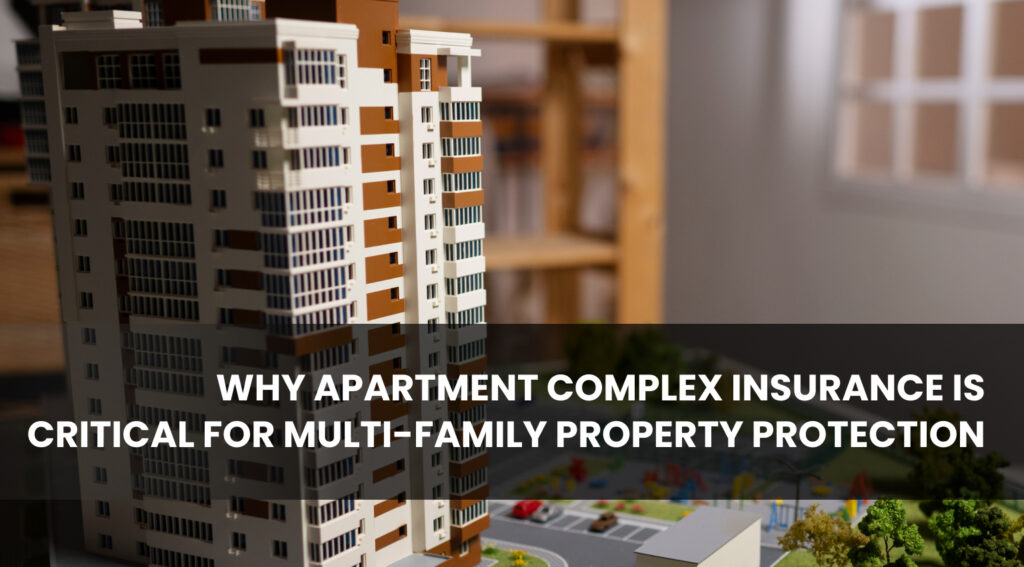
Why Apartment Complex Insurance Is Critical for Multi-Family Property Protection
Owning or managing a multi-family property is not a passive investment. It is a living, breathing operation with tenants, vendors, regulations, and real financial exposure.
One accident, one storm, or one lawsuit can turn a stable cash-flow asset into a balance-sheet nightmare.
That is exactly why apartment complex insurance is not optional. It is the backbone of long-term property protection.
Let us call it what it is. Without proper coverage, you are not managing risk; you are gambling.
What Is Apartment Complex Insurance California
Apartment complex insurance is a specialized commercial policy designed to protect multi-family residential properties. Unlike standard landlord insurance, it accounts for shared spaces, higher occupancy risks, and complex liability exposures.
A well-structured policy protects not just the building but also the income stream, the owners, and the operational continuity of the property.
Core Coverages You Cannot Ignore
Apartment properties face layered risks. From slip-and-fall claims to fire damage and tenant lawsuits, coverage must be comprehensive.
Common coverages typically include:
| Coverage Type | What It Protects |
| Property Insurance | Buildings, roofs, exteriors, and permanent fixtures |
| General Liability | Injuries or property damage claims from tenants or visitors |
| Loss of Rental Income | Lost rent during covered repairs |
| Equipment Breakdown | Boilers, HVAC systems, and elevators |
| Crime Coverage | Theft, vandalism, and employee dishonesty |
Cutting corners here is short-term thinking with long-term consequences.

Why Multi-Family Properties Face Higher Risk
More units mean more people. More people mean more variables. Shared hallways, stairwells, parking areas, gyms, and pools all increase exposure. Add contractors, maintenance teams, and delivery traffic, and the risk multiplies fast.
In markets like California, where regulations, litigation, and rebuilding costs are higher, apartment complex insurance in California must be structured with extra care. One-size-fits-all coverage does not survive real-world claims.
Apartment Complex Insurance Cost Factors
Let us talk money, because this is where decisions get real. The apartment complex insurance cost depends on several practical factors, not guesswork.
| Cost Factor | Impact on Premium |
| Number of Units | Higher unit count increases exposure |
| Property Age & Condition | Older buildings typically cost more to insure |
| Location | Weather risk, crime rates, and state regulations |
| Amenities | Pools, gyms, and elevators raise liability |
| Claims History | Prior losses increase premiums |
Smart owners focus on value, not just price. Cheap insurance is expensive when a claim hits.
Why Adequate Coverage Protects Your Investment
Insurance is not about compliance. It is about continuity.
Proper apartment complex insurance helps you:
- Protect asset value
- Maintain consistent rental income
- Satisfy lender and investor requirements
- Shield owners from personal liability
- Recover faster after losses
In plain terms, it keeps one bad day from becoming a permanent setback.
The Strategic Advantage of Working with Specialists
General policies miss details. Specialists do not.
e360 Insurance Services understands the nuances of multi-family risk, regional regulations, and coverage gaps that generic policies overlook. Their approach is consultative, not transactional, which is exactly what complex properties demand.
Protect your property, your income, and your peace of mind.

Get a customized apartment complex insurance quote today with e360 Insurance Services and build coverage that actually holds up when it matters.
Disclaimer: This content is for informational purposes only and does not constitute insurance or legal advice. Coverage, terms, and costs vary by property, location, and insurer. Readers should consult a licensed insurance professional for advice specific to their situation.