 16000 Ventura Blvd, Ste 400, Encino, CA, United States, 91436



Posts Tagged ‘Fuel Station Insurance’
How HOA Risk Management Helps Protect California Communities

Petrol station insurance costs depend on several factors, including the size of the operation, fuel storage capacity, location, property value, claims history, employee count, and the types of coverage selected.
Because petrol stations combine fuel handling, retail activity, customer traffic, equipment, and environmental exposure, insurers assess them differently from many standard businesses.
What Factors Affect Petrol Station Insurance Costs?
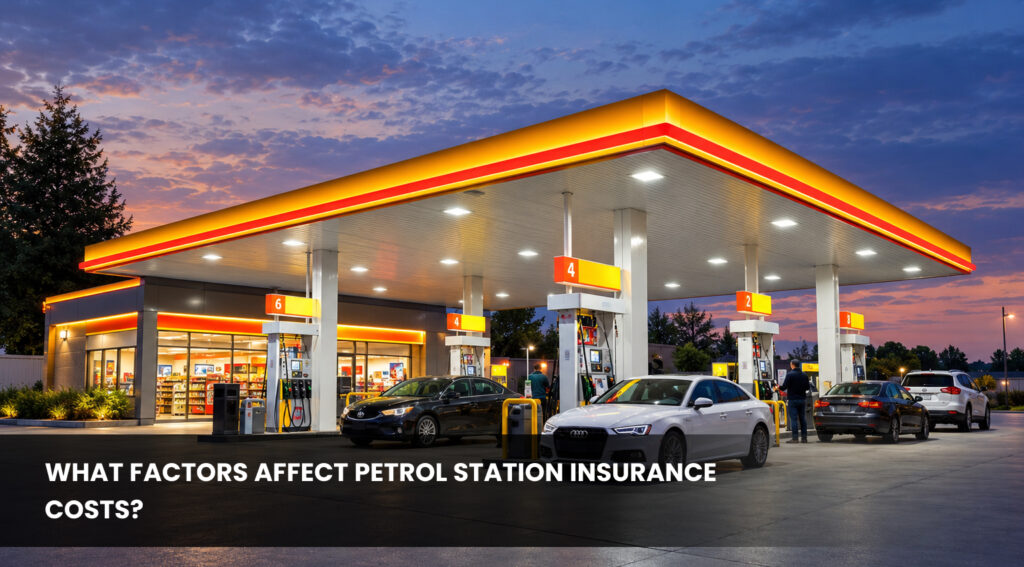
Petrol station insurance costs depend on several factors, including the size of the operation, fuel storage capacity, location, property value, claims history, employee count, and the types of coverage selected.
Because petrol stations combine fuel handling, retail activity, customer traffic, equipment, and environmental exposure, insurers assess them differently from many standard businesses.
Why Fuel Stations Need Spill and Pollution Coverage
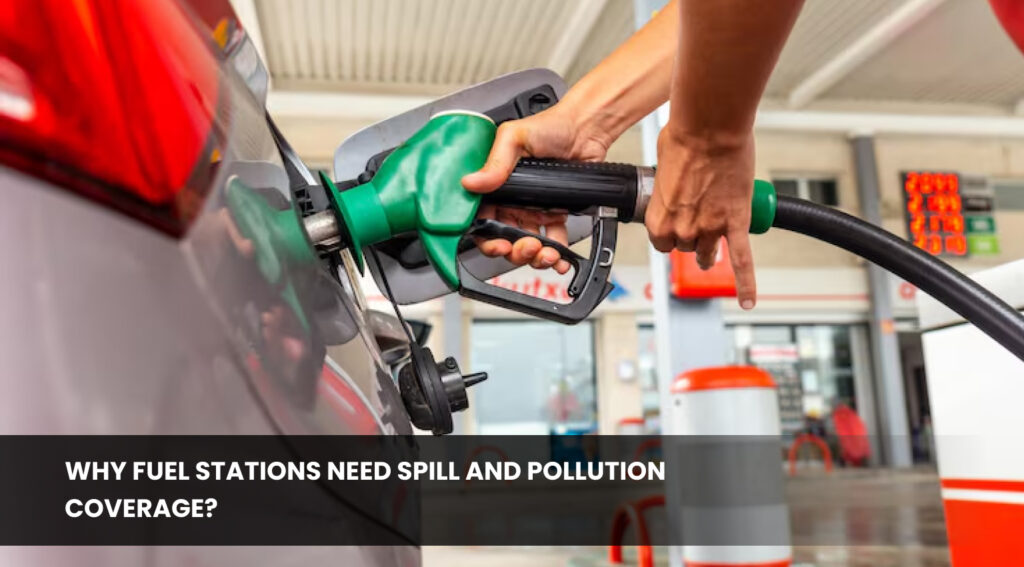
Fuel spill insurance is a specialized environmental liability coverage that pays for the cost of cleaning up fuel contamination, managing regulatory fines, and covering third-party bodily injury and property damage claims when a petroleum release occurs at or near your fuel station.
Read MoreWhat Fuel Station Insurance Covers for Texas Businesses

Fuel Station Insurance helps Texas business owners protect their gas stations from property damage, liability claims, equipment issues, and the day-to-day risks that come with running a fuel-based operation. Because gas stations handle customers, fuel, cash, and high-traffic activity all at once, the right insurance is a practical business safeguard, not just a formality.
Read MoreHow Much Does Fuel Station Insurance Cost Per Month in California?

The average gas station insurance cost in California typically ranges from $250 to $1,200 per month, depending on factors like location, fuel volume, convenience store operations, employee count, and coverage limits. Businesses that include additional protections, such as convenience store insurance or liability coverage for fuel-related risks, may pay more.
Read More