 16000 Ventura Blvd, Ste 400, Encino, CA, United States, 91436



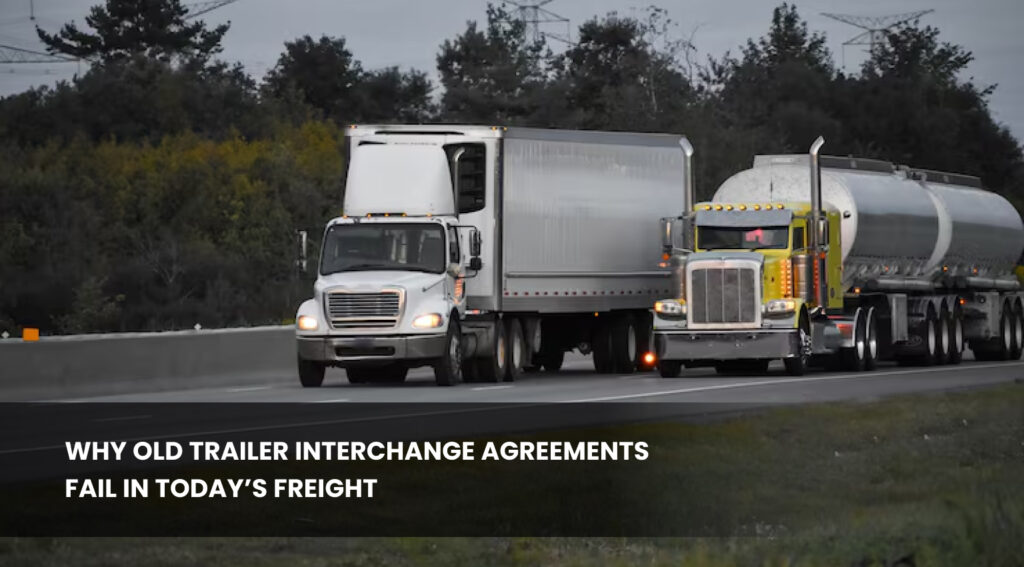
Why Old Trailer Interchange Agreements Fail in Today’s Freight
If you’ve worked in trucking or logistics for some time, you’ve likely used a trailer interchange agreement (TIA).
For newcomers, a TIA is simply an arrangement between two companies that allows them to swap trailers without dealing with ownership issues. The goal is to make shipping faster, more affordable, and easier. It sounds ideal, but what worked a decade or two ago doesn’t always work now.
At E360 Insurance, we’ve seen outdated TIAs create problems, leave coverage gaps, and sometimes lead to extra costs. Let’s look at why these agreements can fall short today and how you can address those issues.
What Exactly Is a Trailer Interchange Agreement?
A TIA is just a contract between two companies (or a carrier and a shipper) that spells out who’s responsible for what when one uses the other’s trailer. Usually, it covers things like:
- Insurance—who pays if the trailer gets damaged?
- Liability—who handles accidents or lost cargo.
- Maintenance—who keeps the trailer road-ready?
This used to be straightforward, but the trucking industry has changed. With faster shipments, new technology, and higher liability, old agreements often don’t measure up.
Why Old TIAs Are Failing
1. Liability Rules Have Changed
Many older agreements were written when liability laws were looser. Today, if there’s an accident, both parties can end up in court if the agreement isn’t clear. That’s a big risk you don’t want.
2. Insurance Gaps
Old TIAs assume everyone has the right insurance, but things have changed. Cargo is now more valuable, accidents are more expensive, and some older agreements don’t reflect that. Without checking coverage, you might end up paying out of pocket. E360 Insurance can help make sure your agreement truly protects you.
3. No Tech Integration
Older agreements don’t include GPS tracking, electronic logs, or automated systems. When trailers move quickly and many people are involved, this lack of visibility can cause lost shipments and disagreements.
4. Weak Risk Management
Older TIAs often leave out details about inspections, maintenance, or reporting incidents. Missing these steps can cause avoidable damage or accidents.
5. New Business Models
Freight now includes brokers, third-party logistics providers, and several carriers working together. A simple agreement between two parties is no longer enough. Unclear responsibilities can quickly lead to costly problems.
6. Vague Language
Words like “reasonable care” or “prompt reporting” can mean different things to different people. This often leads to disagreements when issues arise.
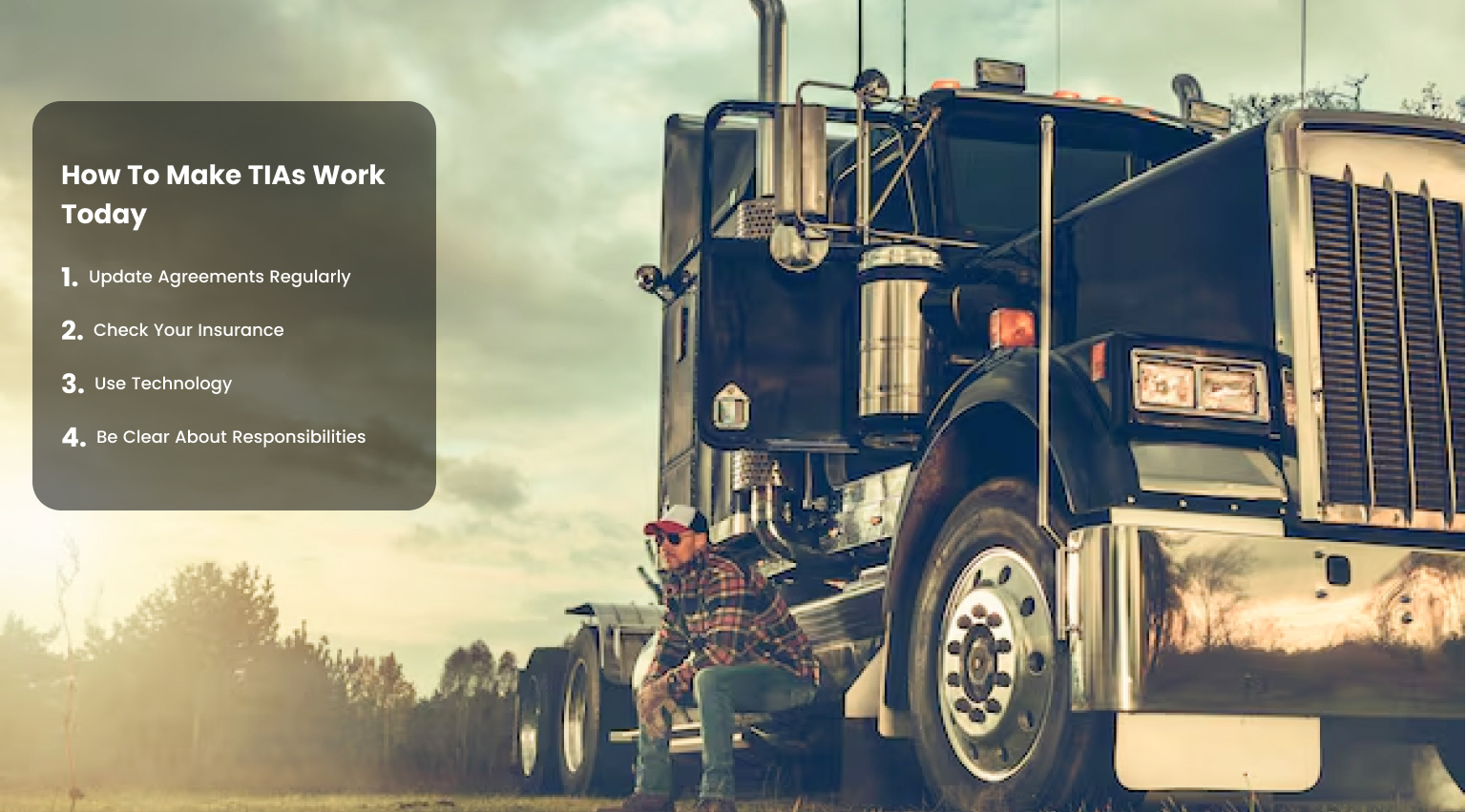
How to Make TIAs Work Today
1. Update Agreements Regularly
Keep your TIA up to date. Review and update it every few years so it matches current insurance rules, technology standards, and freight practices.
2. Check Your Insurance
Even the best agreement won’t help if your insurance isn’t correct. E360 Insurance can review your TIA and recommend coverage options to fill gaps and lower your risk.
3. Use Technology
Modern TIAs should cover GPS tracking, electronic logs, and maintenance records. Tracking your trailers and their condition helps prevent confusion and losses.
4. Be Clear About Responsibilities
Be specific. Decide who is responsible for repairs, accident reports, and maintenance checks. Clear roles help prevent disputes.
5. Add Risk Management
Add rules for regular inspections, staff training, and reporting incidents. Taking these steps shows you are proactive and helps protect your business.
6. Train Your Team
Even the best agreements won’t help if your drivers and staff don’t understand them. Training makes sure everyone knows the rules and avoids mistakes.
Why Work With E360 Insurance
Old TIAs can waste time, cost money, and cause stress. E360 Insurance helps carriers, shippers, and brokers get up-to-date trailer interchange coverage. We can:
- Review old agreements and spot gaps.
- Recommend insurance solutions tailored to your business.
- Offer risk management advice.
- Support you as your operations grow.
When you work with E360 Insurance, you can focus on moving freight and stop worrying about surprise costs or disagreements.
Bottom Line
Old trailer interchange agreements worked well in the past, but today’s freight industry moves faster, handles more valuable cargo, and faces stricter rules. By updating your TIA, clearly defining responsibilities, and working with insurance experts like E360 Insurance, you help keep your business protected, efficient, and free from disputes.