 16000 Ventura Blvd, Ste 400, Encino, CA, United States, 91436



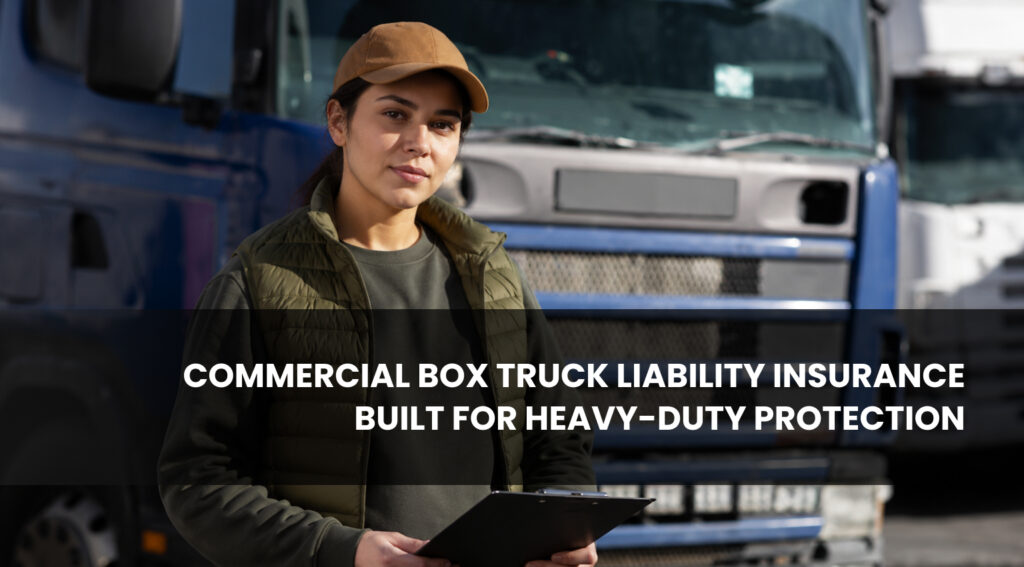
Commercial Box Truck Liability Insurance Built for Heavy-Duty Protection
Box truck insurance is a mandatory, multi-layered commercial coverage that protects your vehicle, cargo, business, and third parties from the financial fallout of accidents, theft, damage, and liability claims. Whether you run a single-truck delivery operation or manage a growing fleet, the right box truck liability insurance isn't just a legal requirement; it's the foundation of a financially resilient trucking business.
If you've been piecing together coverage or wondering whether you have enough protection, this guide breaks down everything you need to know about commercial box truck insurance in today's high-stakes, high-cost environment.
Why is Box Truck Insurance Non-Negotiable in Today's Market?
Operating a commercial box truck without proper insurance isn't just risky; it can be catastrophic. A single at-fault accident involving bodily injury or major property damage can generate a liability claim that exceeds the value of your entire business.
The landscape has grown more expensive and more litigious. Jury awards in commercial trucking cases have skyrocketed, driving insurers to price policies more aggressively. Box truck operators are caught in the middle: rising premiums, stricter carrier requirements, and a regulatory environment that demands documented, compliant coverage at every mile.
The solution isn't to cut corners on coverage. It's to get the right structure from the start.
What Does Box Truck Insurance Actually Cover?
Box truck insurance is not a single policy. It is a bundle of coverages tailored to the unique risks of operating a commercial box truck. Here are the core components:
| Coverage Type | What It Covers | Why It Matters |
| Box Truck Liability Insurance | Bodily injury and property damage caused to others while operating the truck | Legally required; protects you from major financial and legal risk on the road |
| Physical Damage Coverage | Damage to your own truck from accidents, theft, fire, vandalism, or weather | Safeguards your vehicle investment and prevents costly out-of-pocket repairs |
| Motor Truck Cargo Insurance | Loss, theft, or damage to the goods being transported | Essential for protecting client cargo and meeting shipper/broker requirements |
| Non-Trucking Liability Insurance | Liability coverage when using the truck for personal, non-business purposes | Fills coverage gaps when you're off-dispatch and not covered by a motor carrier |
| General Liability Insurance | Injury or property damage related to business operations (not while driving) | Covers risks during loading, unloading, or on-site incidents |
1. Box Truck Liability Insurance
This is the most critical and legally required component. Box truck liability insurance covers bodily injury and property damage you cause to other people or their property while operating your truck. Most commercial contracts and state regulations require a minimum of $750,000 in liability coverage, with many shippers and brokers requiring $1 million or more.
Liability coverage does not protect your own truck or cargo; it protects others from your actions on the road.
2. Physical Damage Coverage for Trucks
Physical damage coverage for trucks protects your own vehicle against collision, fire, theft, vandalism, and weather-related events. It typically combines two elements:
- Collision coverage: pays for damage from accidents, regardless of fault
- Comprehensive coverage: pays for non-collision damage such as theft, hail, or fire
For box truck owners, this is essential. A 26-foot box truck can cost $60,000–$100,000+ to replace, and repairs after even a moderate accident can run tens of thousands of dollars.

3. Motor Truck Cargo Insurance
Cargo insurance covers the goods you're transporting if they are lost, stolen, or damaged in transit. The required coverage amount typically depends on the value of the freight you haul. Operators delivering electronics, pharmaceuticals, or high-value merchandise faces higher cargo insurance requirements than those hauling general freight.
4. Non-Trucking Liability Insurance
Non-trucking liability insurance is often misunderstood. It provides liability protection when you are operating your truck for personal use, not under dispatch, not for a client, and not generating revenue. If you're leased to a motor carrier and use your truck off the clock (running errands, driving home), the carrier's insurance typically doesn't apply. Non-trucking liability fills that gap. Without it, a personal-use accident could leave you fully exposed.
5. General Liability Insurance
Beyond the truck itself, general liability covers bodily injury or property damage that happens in connection with your business operations but not while the truck is moving, such as a delivery that causes a trip-and-fall at a customer's loading dock.
What is the Real Cost of Box Truck Insurance?
According to the American Transportation Research Institute's 2025 Operational Costs of Trucking Report, commercial truck insurance premiums hit a record $0.102 per mile in 2024, marking the fifth consecutive year of rate increases. In Q1 2025, carriers reported a further 5.8% year-over-year increase in premiums, driven largely by nuclear verdicts, social inflation, and rising repair costs.
Data from Progressive Commercial's 2024 policy analysis shows that the national average monthly cost for commercial truck insurance ranged from $746 for specialty truckers to $954 for transport truckers, with individual rates varying significantly based on driving history, truck size, cargo type, and operating radius.
For most box truck operators, annual premiums for comprehensive coverage fall between $8,000 and $14,000, while liability-only policies run closer to $3,000–$5,000 per year.
Which Factors Affect Truck Insurance Rates?
Understanding the factors affecting truck insurance rates helps you make smarter decisions and potentially lower your premiums significantly.
- Driving history: This is the single biggest variable. A clean multi-year driving record can reduce premiums by 30–40% compared to a record with violations or at-fault claims. Even one DUI or serious moving violation can raise rates dramatically and trigger non-renewal.
- Truck size and value: A 16-foot box truck costs less to insure than a 26-foot unit. Larger trucks cause more damage in accidents, carry more cargo, and cost more to repair, all of which translate to higher premiums.
- Operating radius: Local operators covering under 300 miles pay less than long-haul drivers. The more miles you put on, the more exposure you create.
- Cargo type: High-value or high-risk cargo, like electronics, pharmaceuticals, alcohol, or perishables, increases both cargo insurance costs and overall policy rates. General freight is rated more favorably.
- Years in business: New authorities and new operators routinely pay 40–100% more than established carriers with a track record. Rates typically stabilize meaningfully after three years of clean operation.
- Safety technology: Dash cams, telematics systems, and Electronic Logging Devices (ELDs) can qualify you for 10–20% discounts with many carriers, as they demonstrate proactive risk management.
- Deductibles and limits: Raising deductibles can lower your monthly premium, but increases your out-of-pocket exposure after a claim. Higher liability limits cost more upfront but protect you from catastrophic losses.

How Can I Reduce My Box Truck Insurance Premium?
Cutting costs doesn't mean cutting coverage. Here's how smart operators lower their rates without increasing risk:
- Bundle coverages: Combining liability, cargo, and physical damage under a single carrier often earns a multi-policy discount
- Install telematics and dash cams: Documented safe driving behavior is a quantifiable risk reducer
- Maintain a clean MVR: Driver record management is the most direct lever operators control
- Work with a specialist broker: A commercial trucking insurance specialist accesses carriers that standard auto agents cannot, often at better rates
- Pay annually: Many carriers offer discounts of 5–10% for annual versus monthly payment
Get the Right Box Truck Insurance with e360 Insurance Services
Navigating commercial box truck insurance on your own includes choosing the right liability limits, understanding non-trucking liability, structuring physical damage coverage for your specific fleet. It is complex, and getting it wrong is costly.
e360 Insurance Services specializes in commercial trucking insurance for box truck operators across the country. Their team of experienced agents understands the unique risks you face, the coverage requirements your contracts demand, and the carrier relationships that deliver competitive rates without sacrificing protection.
Whether you're a first-time operator looking to get properly covered or an established fleet owner looking to restructure your program, e360 Insurance Services provides fast quotes, expert guidance, and coverage built for heavy-duty protection.
Contact e360 Insurance Services today for a customized box truck insurance quote.
Summing Up
Commercial box truck insurance is not a commodity to be cheaply assembled; it's a precision risk management tool that determines whether your business survives its worst day. The right combination of box truck liability insurance, physical damage coverage for trucks, non-trucking liability insurance, and cargo coverage creates a protective structure that keeps you legally compliant, financially secure, and operationally resilient.
As premiums continue rising and liability environments grow more complex, having a knowledgeable commercial insurance partner is no longer optional; it's a competitive advantage.
Disclaimer: This article is for informational purposes only and does not constitute legal or insurance advice. Coverage requirements vary by state, carrier, and contract. Consult a licensed commercial insurance professional for guidance specific to your operation.