 16000 Ventura Blvd, Ste 400, Encino, CA, United States, 91436



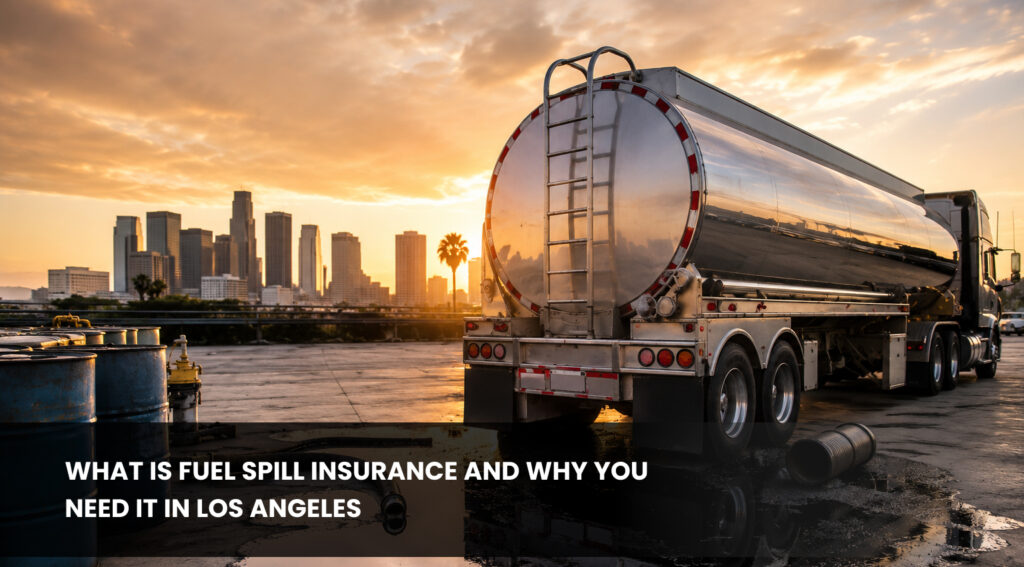
What is Fuel Spill Insurance and Why You Need it in Los Angeles
Fuel spill insurance coverage is a specialized form of environmental liability insurance that pays for the cleanup, remediation, third-party bodily injury claims, property damage, and regulatory fines that result from a petroleum or fuel release at or near your gas station or fueling facility.
In Los Angeles, where environmental regulations are among the strictest in the country and groundwater protection is a top enforcement priority, operating a fuel station without this coverage is not just a financial risk. It is an existential one.
The Financial Reality of a Fuel Spill Without Insurance
One spill event can define the rest of your ownership experience at a gas station. Without dedicated fuel spill insurance coverage, every dollar of cleanup cost, every regulatory fine, and every third-party claim comes directly out of your pocket or your business assets.
Federal law as cited by Coltura's analysis of gas station environmental liability requires gas station owners and operators to carry insurance covering at least $1 million per incident for underground storage tank (UST) leak cleanup. State insurance funds across the country paid an average of $152,000 per leak in 2019, and private insurers are increasingly reluctant to cover aging tank systems, making proper commercial coverage more critical than ever.
According to Visionaery's research compiled from EPA and USGS data, crude oil spill cleanup costs range from $78.75 to $157.81 per gallon, and fines from environmental agencies start at $2,000 for small spills and can exceed $2 million for larger incidents. Even a modest 50-gallon fuel release can quickly generate a five-figure cleanup bill before regulatory penalties are added.
What Fuel Spill Insurance Actually Covers
A properly structured auto fuel station insurance plan built around environmental liability should include the following coverage components:
| Coverage Component | What It Protects Against |
| Third-party bodily injury | Customer or neighbor claims for health impacts from fuel exposure |
| Third-party property damage | Neighbor property contamination from groundwater or vapor migration |
| On-site remediation costs | Soil and groundwater cleanup at your property |
| Regulatory defense costs | Legal fees from EPA, DTSC, or RWQCB enforcement actions |
| Underground storage tank (UST) liability | Sudden and gradual releases from aging or faulty tank systems |
| Business interruption | Lost revenue during the mandated closure for remediation |
Why Los Angeles Fuel Stations Face Elevated Risk
Los Angeles sits on a complex geology with shallow groundwater in many areas. A fuel release that would be a contained soil-only cleanup in a drier, more permeable region can become a groundwater contamination event in LA's basin environment, triggering involvement from multiple agencies, including the EPA, California's Department of Toxic Substances Control (DTSC), and the Regional Water Quality Control Board (RWQCB).
Local enforcement is active and well-funded. Fines move quickly. Cleanup timelines can stretch to years when groundwater is involved.
Every station owner in the LA area should have explicit clarity on the following:
- Whether their current policy covers gradual releases, not just sudden spills. Many standard commercial policies exclude slow leaks from aging UST systems, which are the most common contamination source at gas stations.
- Whether their policy covers third-party claims from adjacent property owners or neighboring residents, not just on-site remediation costs.
Understanding the Cost of Gas Station Insurance in Los Angeles
The cost of insurance for fuel stations in California is influenced by several site-specific factors.
| Factor | Impact on Premium |
| Age of underground storage tanks | Older tanks significantly increase rates; single-wall USTs are high-risk |
| Proximity to water bodies or sensitive receptors | Increases potential remediation scope and premium |
| Claims or spill history | Prior incidents raise rates substantially |
| Station size and fuel volume | Higher throughput increases exposure assessment |
| Tank monitoring and leak detection systems | Modern systems can reduce premiums |
| Soil and groundwater conditions | Pre-existing contamination affects insurability |
For independent operators, the small gas station insurance cost for a combined general liability, property, and environmental coverage package typically ranges from $8,000 to $25,000 annually, depending on location, tank age, and coverage limits. Los Angeles-based stations frequently fall at the higher end due to stricter regulatory exposure.
What a Lapse in Coverage Can Mean
A common and costly mistake is allowing environmental coverage to lapse during an ownership transition, a refinancing, or an administrative oversight. In California, a lapse leaves you personally exposed to the full financial weight of any release that occurs during that window, regardless of whether the contamination is discovered later.
Contamination found during a property sale can trigger retroactive claims tied to the period of the lapse. Environmental liability does not disappear with time. It follows the property and, in many cases, the owner.
Get the Right Fuel Spill Coverage with e360 Insurance Services
Fuel station insurance in Los Angeles is not a commodity product you can shop for on a price comparison site and get right. It requires an experienced commercial insurance specialist who understands California environmental regulations, UST requirements, and the specific exposures your location faces.
e360 Insurance Services specializes in commercial and environmental insurance for fuel station operators. Their team evaluates your specific site, tank history, and operational risk to build an auto fuel station insurance plan that provides genuine protection, not just paper compliance.
Book a consultation with e360 Insurance Services today and get a complete picture of your exposure and the coverage designed to protect against it.