 16000 Ventura Blvd, Ste 400, Encino, CA, United States, 91436



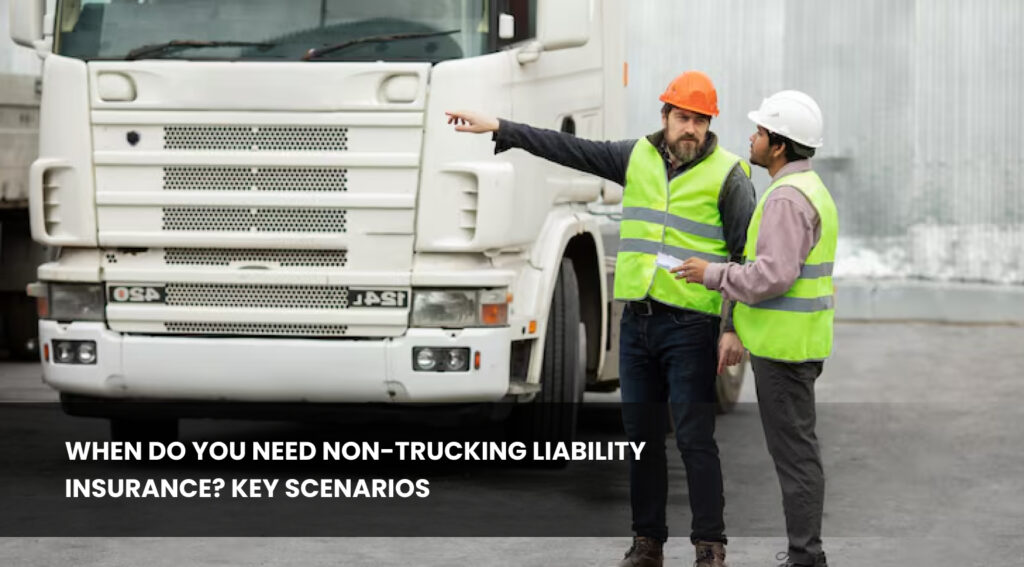
When Do You Need Non-Trucking Liability Insurance? Key Scenarios
If you drive a commercial truck, here’s the straight talk. The moment you’re not hauling a load for a motor carrier, your primary trucking policy usually steps aside.
That gap is exactly where non-trucking liability insurance steps in. Miss it, and one accident can land squarely on your personal finances.
Plenty of drivers assume they’re always covered. They’re not. And the ones who learn this the hard way usually learn it in court.
What Is Non-Trucking Liability Insurance
Non-trucking liability insurance (often called bobtail insurance) covers owner-operators when their truck is being used for non-business purposes. That means the truck is not under dispatch and not hauling cargo for a carrier.
Despite the common confusion, non-trucking insurance is not cargo coverage and not physical damage insurance. It strictly covers third-party bodily injury and property damage when you’re off the clock.
Yes, many people search for it as non-tracking liability insurance, but the coverage applies to trucking operations, not GPS or tracking systems.

Key Scenarios When You Need This Coverage
This is where clarity pays dividends. You typically need non-trucking liability insurance in these real-world situations:
| Scenario | Are You Covered Without It? |
| Driving home after dropping a load | No |
| Heading to a restaurant or store | No |
| Taking the truck for personal errands | No |
| Driving to maintenance or washing | Usually no |
| Parking or repositioning off dispatch | No |
If the carrier’s policy does not apply, responsibility shifts directly to you.
Why Owner-Operators Are Most at Risk
Owner-operators sit in a unique risk lane. You own the truck, but the carrier controls coverage while you’re under dispatch. The moment that dispatch ends, so does their protection.
Non-trucking insurance acts as a financial buffer, protecting you from:
- Out-of-pocket lawsuit costs
- Medical claims from third parties
- Property damage claims
- Contract violations with carriers
Think of it as continuity coverage. It keeps protection intact when the lights go off on the primary policy.
How Much Coverage Do You Typically Need
Most carriers require owner-operators to carry non-trucking liability limits that align with standard liability expectations.
| Coverage Limit | Common Use Case |
| $1,000,000 CSL | Most carrier lease agreements |
| $500,000 CSL | Smaller operators or regional work |
The right limit depends on your contracts, routes, and exposure. Underinsuring here is a false economy.
What Non-Trucking Liability Does Not Cover
Let’s be clear and avoid wishful thinking.
This insurance does not cover:
- Accidents while hauling a load
- Damage to your own truck
- Cargo losses
Intentional acts
Those require separate policies. Insurance works best when each role is clearly defined.

Why Getting This Right Matters
Non-trucking claims are common, expensive, and often disputed. If coverage language is vague or mismatched to your operations, insurers can deny claims. That is why policy structure matters as much as price.
e360 Insurance Services works with owner-operators who want certainty, not surprises. Their advisors understand carrier requirements and real-world driving scenarios, not just policy templates.
If you’re an owner-operator, don’t leave coverage gaps in your business.
Talk to experts today and get a non-trucking liability insurance quote tailored to how you actually drive.